Choosing the correct RO membrane is one of the most important decisions when designing or purchasing a reverse osmosis system. Many people assume that all RO membranes are the same, but in reality, selecting the wrong membrane can lead to poor water quality, low flow, excessive reject water, higher energy consumption, and a much shorter membrane lifespan.
The ideal membrane depends on several factors, including the source of your water, Total Dissolved Solids (TDS), operating pressure, flow requirements, and the contaminants present.
This guide explains everything you need to know to confidently select the right membrane for domestic, commercial, and industrial water treatment systems.
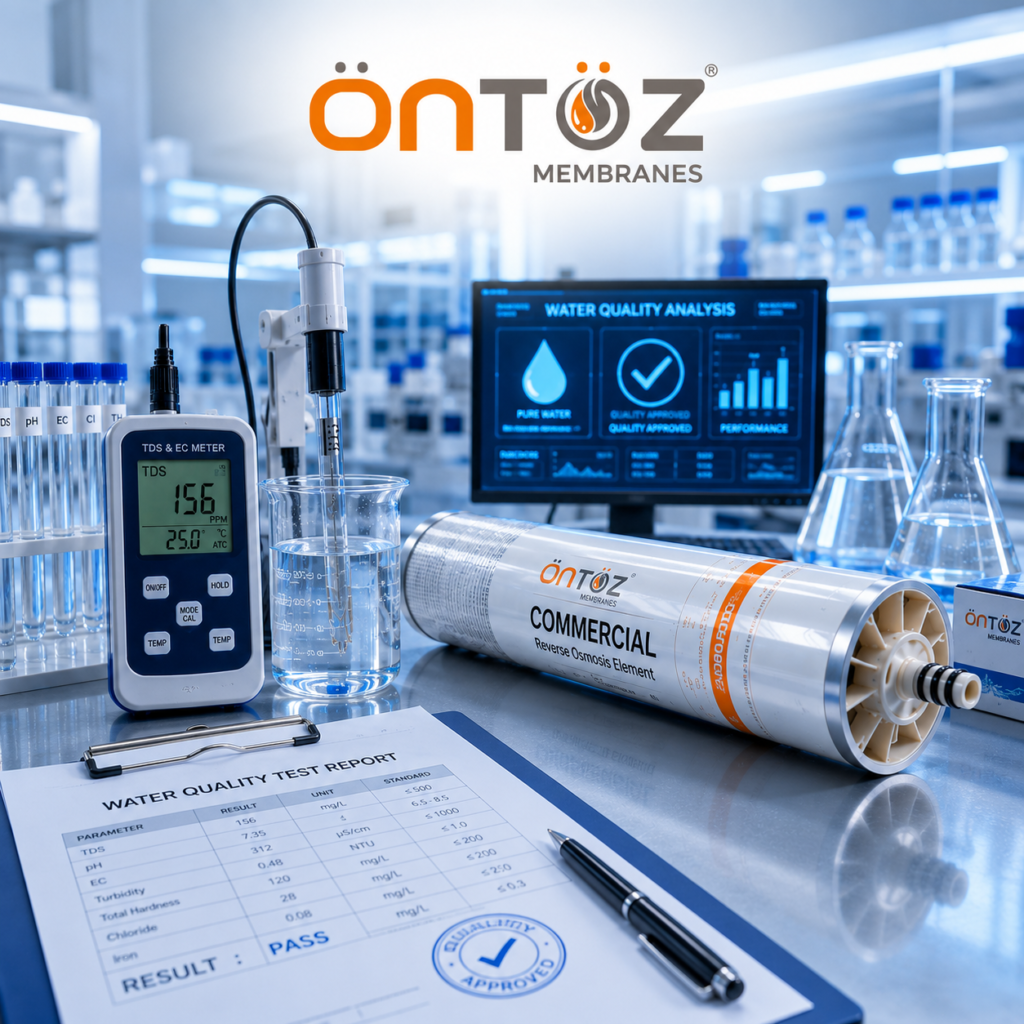
Never purchase an RO membrane before testing your water.
A simple water analysis provides valuable information about the contaminants that must be removed.
Essential parameters include:
Without proper testing, membrane selection becomes guesswork.
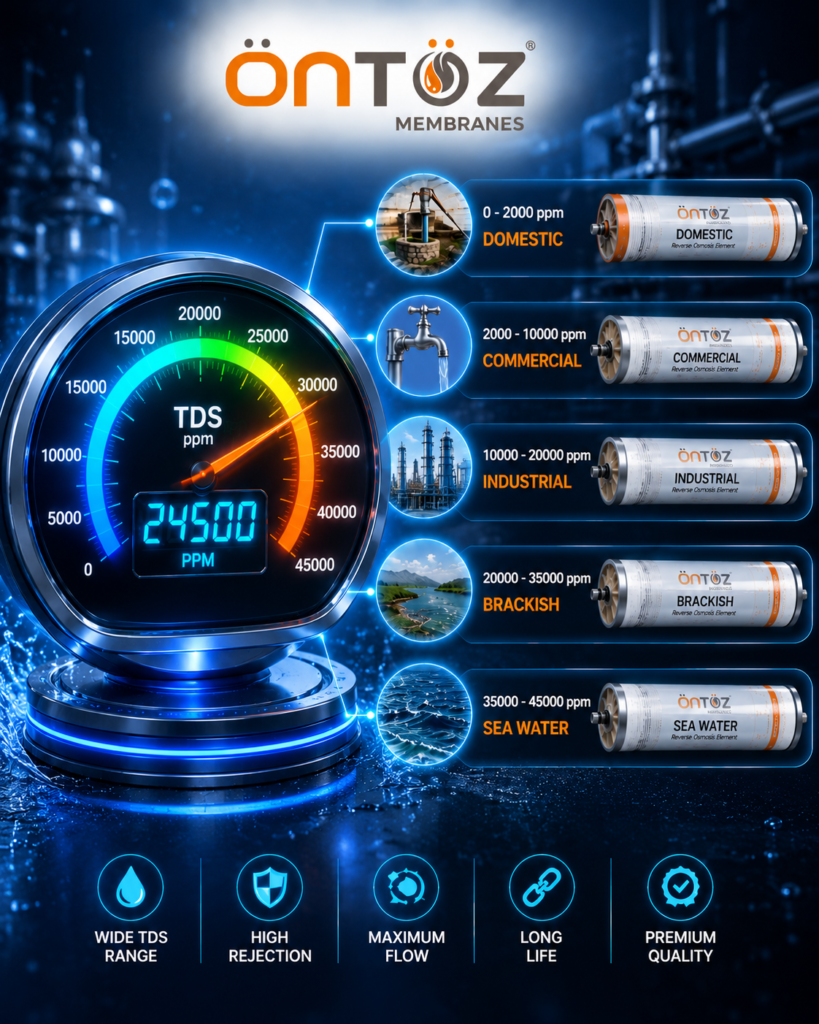
TDS (Total Dissolved Solids) measures the amount of dissolved minerals in water.
Higher TDS generally requires higher operating pressure and more robust membrane performance.
| TDS Range | Water Quality | Recommended Membrane |
|---|---|---|
| 0–300 ppm | Excellent | Low Pressure |
| 300–700 ppm | Good | Standard Domestic RO |
| 700–1500 ppm | Hard Water | High Rejection |
| 1500–5000 ppm | Brackish Water | BW Membrane |
| 5000–45000 ppm | Sea Water | SW Membrane |
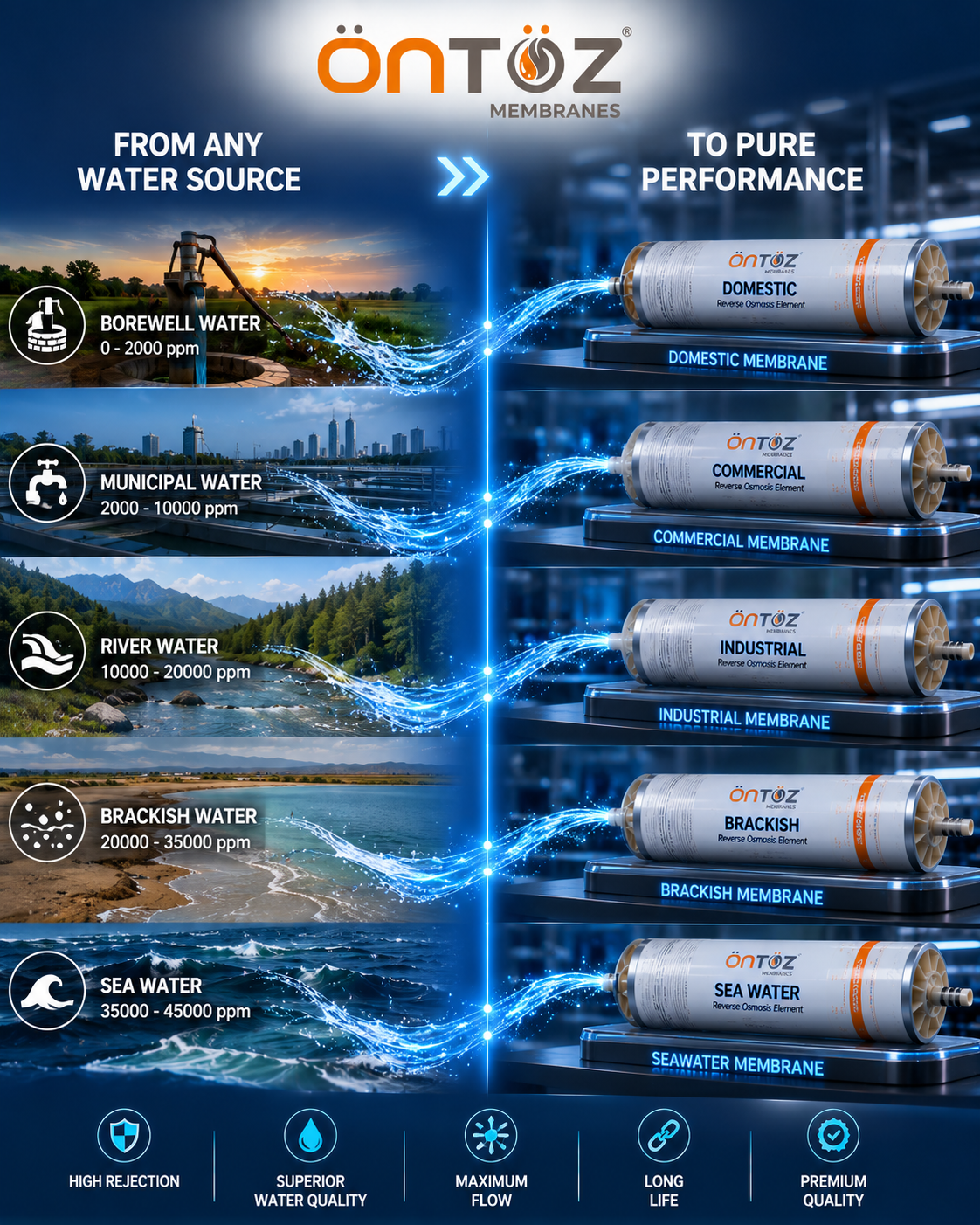
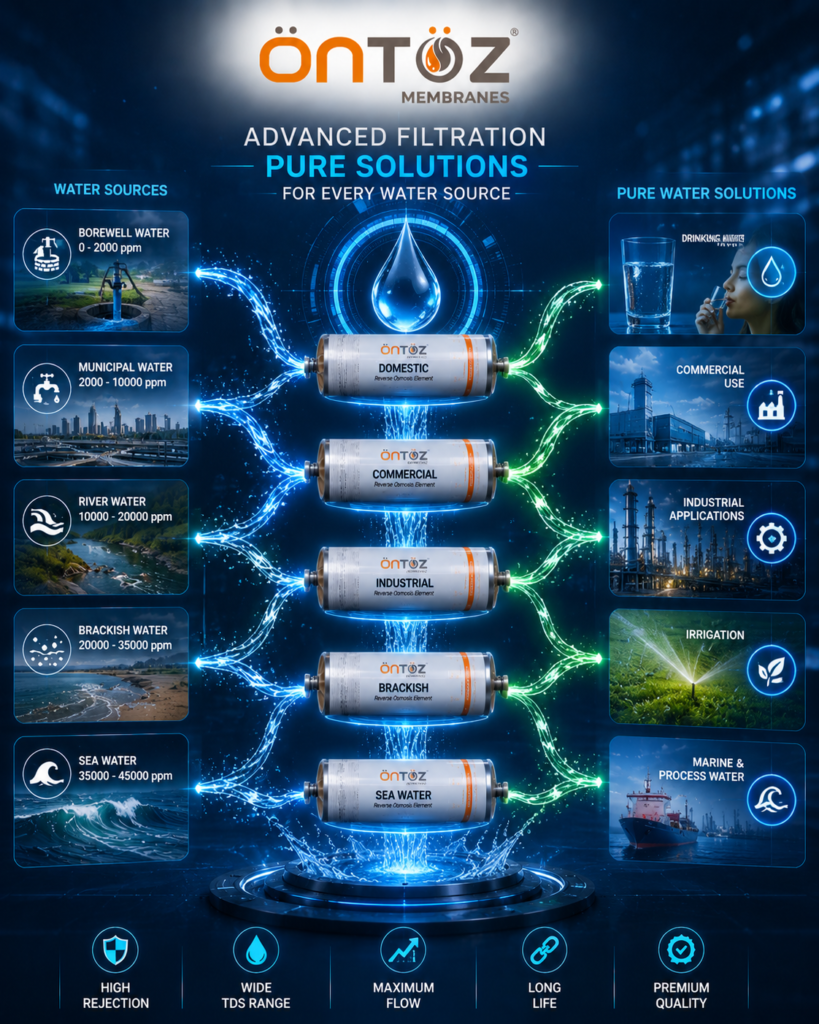
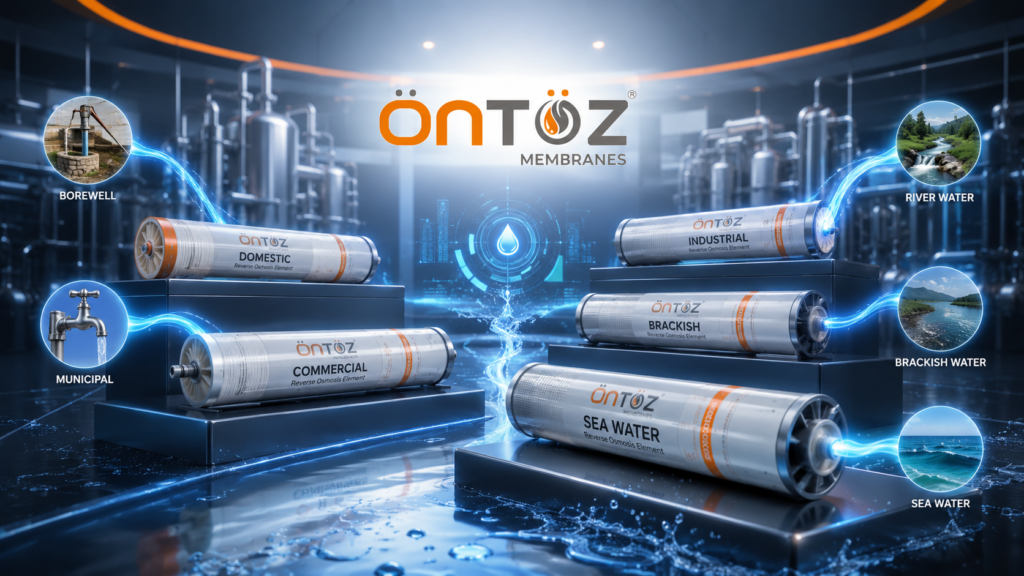
Different water sources require different membrane technologies.
Common Problems:
Recommended:
Usually contains:
Recommended:
Contains:
Requires:
Typically contains:
Requires:
Contains: